Introduction
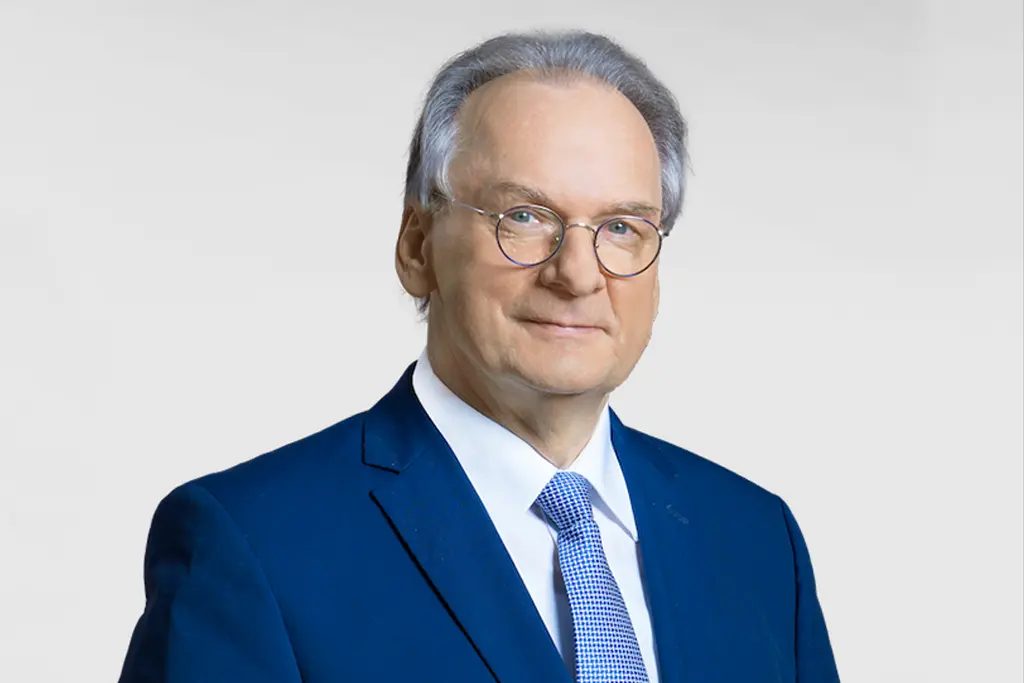
Reiner Haseloff, the current Minister-President of Saxony-Anhalt, has become a pivotal figure in German politics, particularly in the context of the country’s shifting political landscape. As a member of the Christian Democratic Union (CDU), his leadership is significant as Germany navigates complex social and economic challenges while also addressing the rise of populism.
Political Journey
Born on July 7, 1954, in Wernigerode, East Germany, Haseloff has climbed the political ladder since the reunification of Germany. He joined the CDU in the early 1990s and has held various leadership roles, culminating in his election as Minister-President in 2011, following a turbulent period of governance in the region.
Key Policies and Initiatives
Haseloff is known for his pragmatic approach to governance, focusing on economic stability, education reform, and social policy improvements. Recently, he advocated for greater investment in digital infrastructure, aiming to close the digital divide in rural areas of Saxony-Anhalt. Under his administration, the state has also witnessed advancements in renewable energy projects, aligning with broader German goals for sustainability.
Recent Developments
As of late 2023, Haseloff has faced challenges owing to a fractious political environment, particularly with the rise of far-right parties gaining traction in local elections. His efforts to uphold moderate CDU policies while ensuring coalition stability have drawn both supporters and critics. The recent state elections, held in October 2023, tested his party’s strength in Saxony-Anhalt, amid growing discontent among voters regarding economic issues and immigration policies.
Conclusion
Reiner Haseloff continues to be a significant player in German politics, meeting challenges head-on with a focus on regional development and stability. Going forward, his ability to maintain the CDU’s relevance in Saxony-Anhalt and address the concerns of constituents will be crucial. His administration’s response to economic pressures and shifting public sentiment may determine not just his political future, but also the trajectory of the CDU in the broader German political context.