Introduction
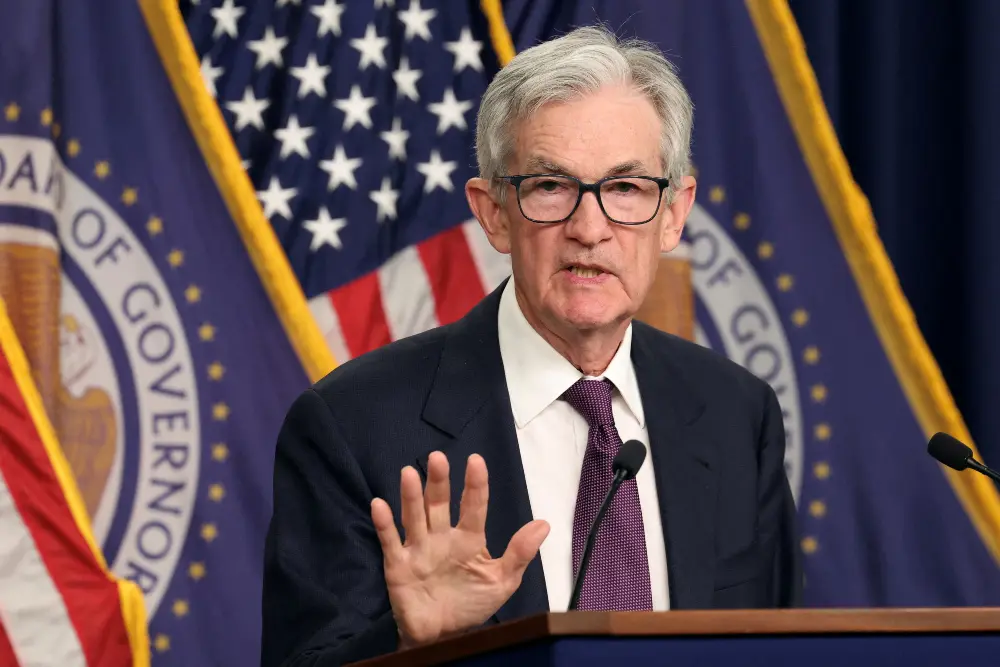
Jerome Powell, serving as the Chair of the Federal Reserve, plays a crucial role in shaping the economic landscape of the United States and by extension, affecting the global economy. His decisions regarding interest rates are closely monitored as they have profound implications for inflation, employment, and economic growth. As inflation rates rise and economic recovery appears uncertain, Powell’s leadership becomes increasingly significant.
Recent Developments
Recently, the Federal Reserve have held several meetings to gauge the state of the U.S. economy amid rising inflation rates. In September 2023, Powell announced a decision to maintain interest rates at their current level of 5.25-5.50%. This decision was influenced by mixed signals from the economy, where moderate growth was weighed against persistent inflation concerns. The Fed’s goal is to achieve price stability while supporting maximum employment, a task that becomes precarious in such uncertain economic times.
Inflation Management Strategies
Powell has emphasized that tackling inflation is a priority, stating the Fed’s commitment to bring inflation rates down to the target of 2%. The challenge lies in balancing growth with inflation control without triggering a recession. Economic forecasts predict that while inflation may gradually ease, persistent core inflation could complicate monetary policy decisions in the near future.
Market Reactions
The decision to hold rates steady has led to varied reactions in the financial markets. Stocks experienced a temporary spike, while the bond market adjusted as traders anticipated the Fed’s future moves. Analysts predict that Powell’s communication and guidance will be vital in influencing market expectations going forward.
Conclusion
In the coming months, Jerome Powell’s decisions will be under intense scrutiny as he navigates the complexities of monetary policy amid economic uncertainty. Observers note that his leadership will be critical in determining how successfully the Federal Reserve can achieve its dual mandate of price stability and maximum sustainable employment. For many, understanding Powell’s approach and the Fed’s economic indicators will remain essential as implications ripple through not only the U.S. economy but also on a global scale.