Introduction
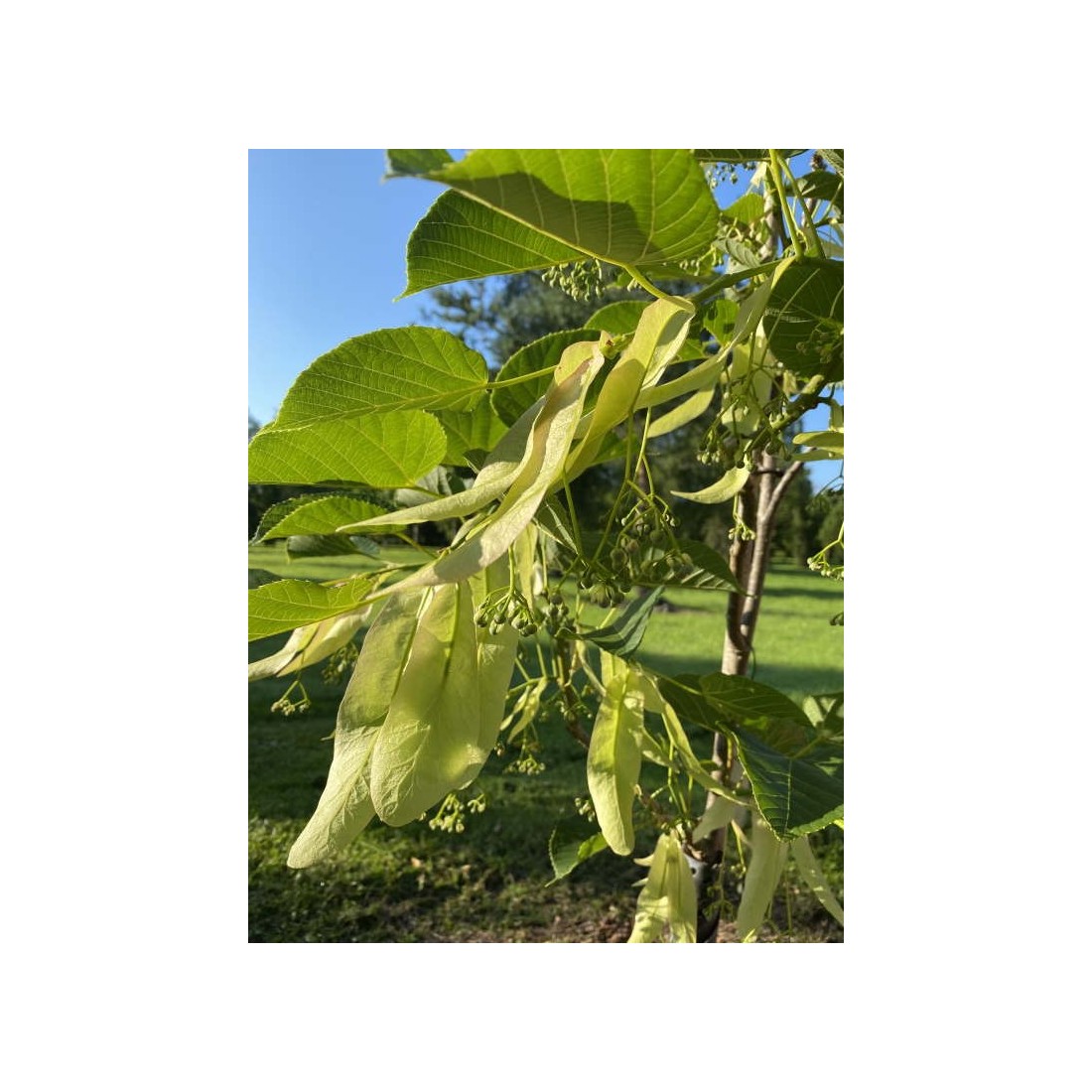
Nobilis tilia, commonly known as the noble fir, is a species of tree that has gained attention due to its ecological and economic significance in forest management. Its adaptability and resilience make it an important species in both commercial forestry and environmental conservation. In Australia, the increasing interest in sustainable timber and reforestation efforts has placed Nobilis tilia at the forefront of discussions regarding suitable tree species for various climates and uses.
Importance of Nobilis Tilia
Nobilis tilia is highly valued not only for its timber, which is used in high-end furniture production, but also for its role in maintaining biodiversity within forest ecosystems. Its dense foliage provides habitat and food for various wildlife species, contributing positively to ecological balance. Furthermore, the tree is known to have a high growth rate, making it a suitable candidate for reforestation projects aimed at combating climate change.
Recent Events
In light of recent environmental initiatives, Australian forestry experts have been exploring the potential of Nobilis tilia as part of sustainable forestry practices. In early 2023, a notable study released by the Australian Forest Research Institute highlighted the benefits of incorporating Nobilis tilia in mixed plantations. The study suggests that these forests not only become more resilient but also more productive, providing both ecological and economic benefits. Additionally, local governments in regions prone to deforestation are considering the promotion of Nobilis tilia as an alternative planting option to help restore degraded landscapes.
Conclusion
The exploration of Nobilis tilia is not just a matter of forestry but a critical issue that intertwines with ecological well-being and sustainable livelihoods. As the demand for sustainable products continues to rise, tree species like Nobilis tilia will likely play an increasing role in Australia’s forestry landscape. Future forecasts suggest that with proper management and the support of local and national policies, Nobilis tilia could help mitigate the adverse effects of climate change while also fostering economic development in rural communities. This dual benefit underscores the significance of investing in research and development concerning Nobilis tilia and similar species.