Introduction
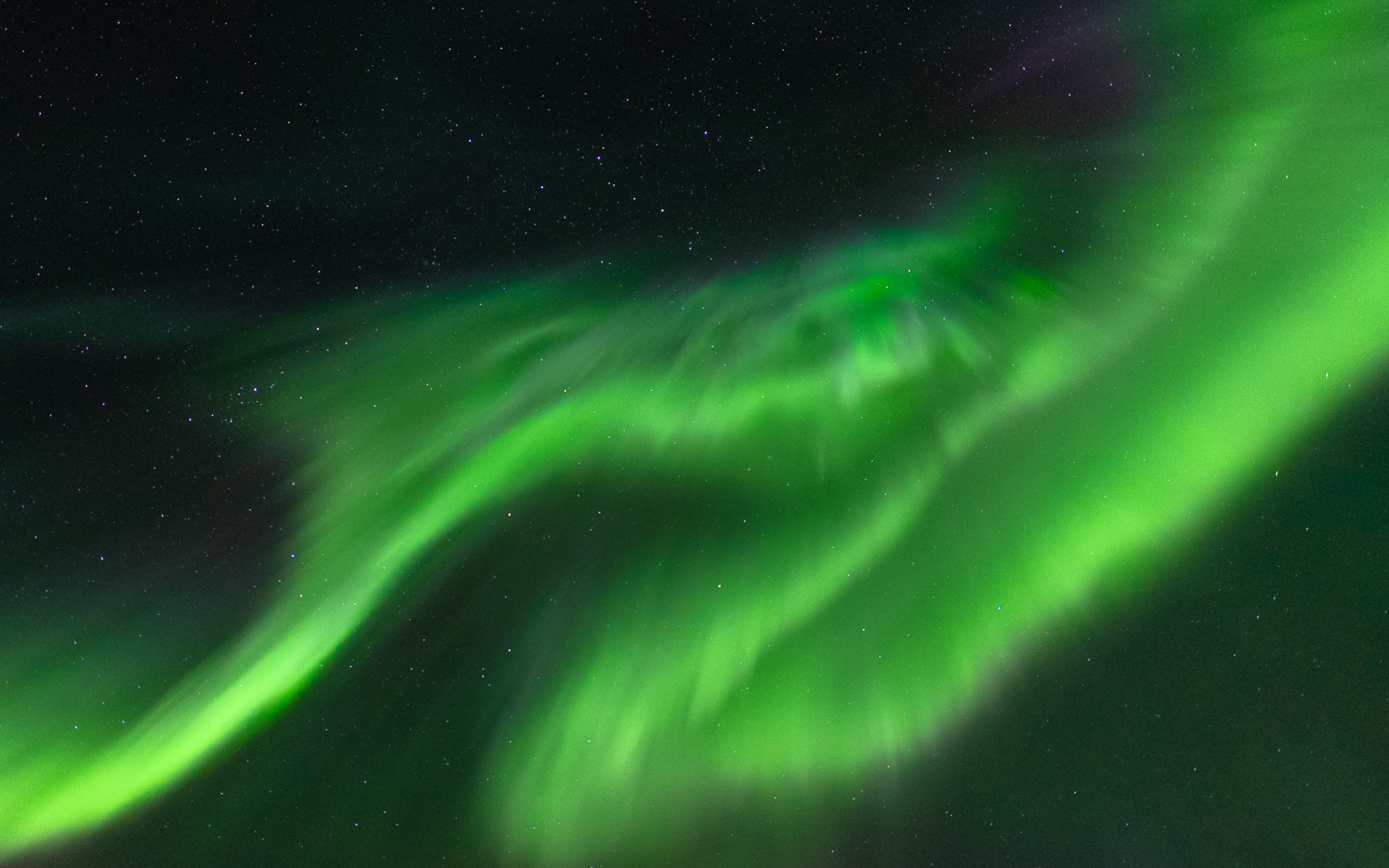
The polarni zare, or aurora borealis in English, is a captivating natural light display predominantly seen in high-latitude regions, especially near the Arctic and Antarctic circles. This phenomenon is not only a stunning visual spectacle but also a critical aspect of Earth’s atmospheric science.
What causes the Polarni Zare?
The polarni zare occurs when charged particles emitted by the sun collide with the gases in Earth’s atmosphere. These interactions primarily involve electrons and protons from solar winds, which excite gas molecules, causing them to emit light. The colours observed, ranging from green, pink, red to violet, depend on the type of gas and its altitude. Oxygen at high altitudes can produce red and green shades, while nitrogen contributes to blues and purples.
Current Events
Recently, interest in the polarni zare has surged due to an increase in solar activity tied to the solar cycle. In 2023, scientists observed more frequent and intense auroras, as the sun approaches solar maximum, expected to occur around 2025. Research has shown that these displays are becoming more active and can be seen in areas closer to the equator than previously documented, thanks to shifts in the Earth’s magnetic field.
Significance of Polarni Zare
The biological and environmental significance of polarni zare extends beyond their aesthetic appeal. They are indicators of solar activity and can affect satellite communications, power grids, and even climate patterns. Studies suggest that monitoring auroras can aid in understanding space weather’s impact on Earth, thereby enhancing preparations for potential disruptions.
Conclusion
As a natural phenomenon that captivates millions globally, the polarni zare serves as a reminder of the dynamic interactions between the Earth and the sun. As we approach the peak of the current solar cycle, the visibility and study of this phenomenon will continue to grow, offering valuable insights into our planet’s atmosphere and the effects of solar storms. For stargazers and scientists alike, the polarni zare represents not just a beautiful visual display, but an important area of ongoing research and exploration.