Introduction
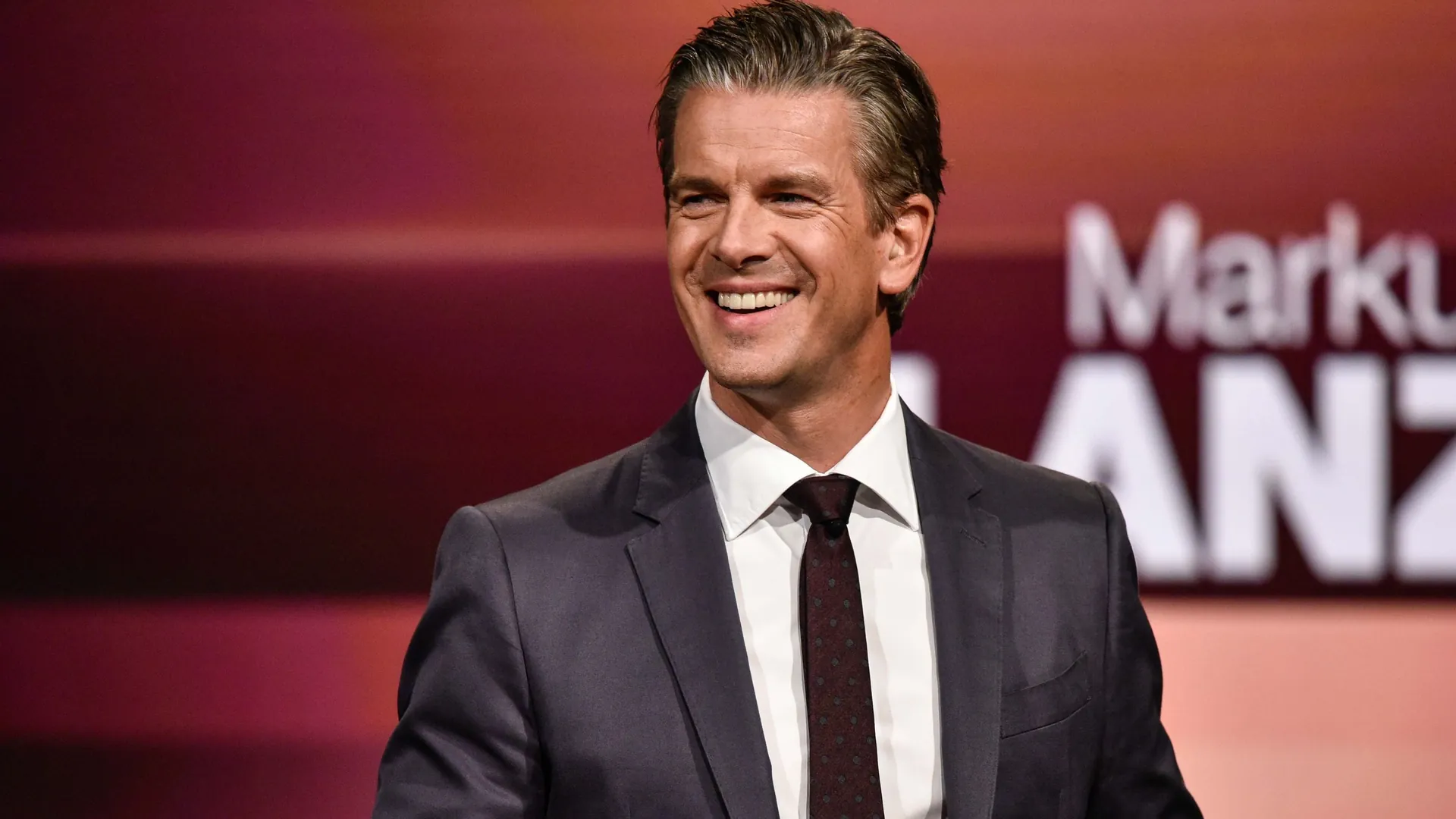
Markus Lanz has firmly established himself as one of Germany’s most influential talk show hosts. With a career spanning over two decades, his show has become a staple in German television, tackling a mix of pressing social issues, current affairs, and entertainment. This article explores Lanz’s background, insights into his programs, and his impact on the landscape of German media.
Career Background
Born on March 16, 1969, in Bruneck, South Tyrol, Italy, Lanz moved to Germany in his early years. He began his career in broadcasting as a weather presenter on RTL, later transitioning to other formats that showcased his conversational prowess. In 2008, Lanz took over as host of his own talk show, ‚Markus Lanz,‘ which airs on ZDF and has garnered a loyal viewership due to its stimulating discussions and diverse guest lineups.
Show Highlights and Recent Events
The ‚Markus Lanz‘ show features a dynamic structure where guests from various fields, including politics, entertainment, and science, come together to debate and share their perspectives. Recently, the show has addressed significant topics such as the Covid-19 pandemic, environmental issues, and political tensions within Europe. The candid nature of discussions often leads to moments of revelation, making it a must-watch for audiences seeking depth in the topics presented.
One of the standout episodes in 2023 included his interview with prominent climate activist, Luisa Neubauer, where they discussed Germany’s climate policies and responsibilities. Such episodes have positioned Lanz not just as a host, but a platform for critical dialogue in the country.
Impact and Significance
Markus Lanz’s ability to engage with complex subjects has contributed to changing public discourse in Germany, making difficult conversations accessible to mainstream audiences. His style fosters an environment where differing views can be expressed, promoting understanding over polarization. With increasing concerns over misinformation and divisive narratives in media, Lanz embodies a commitment to informed discussions.
Conclusion
The work of Markus Lanz reflects the evolving landscape of German journalism and television, where viewers demand both entertainment and intellectual engagement. As global issues continue to permeate the public consciousness, Lanz’s platform will likely remain a vital space for discussions that shape societal viewpoints. The future of talk shows in Germany may be brightened by Lanz’s continued efforts to challenge and inform, making his contributions not only relevant but essential in contemporary media.