Introduction
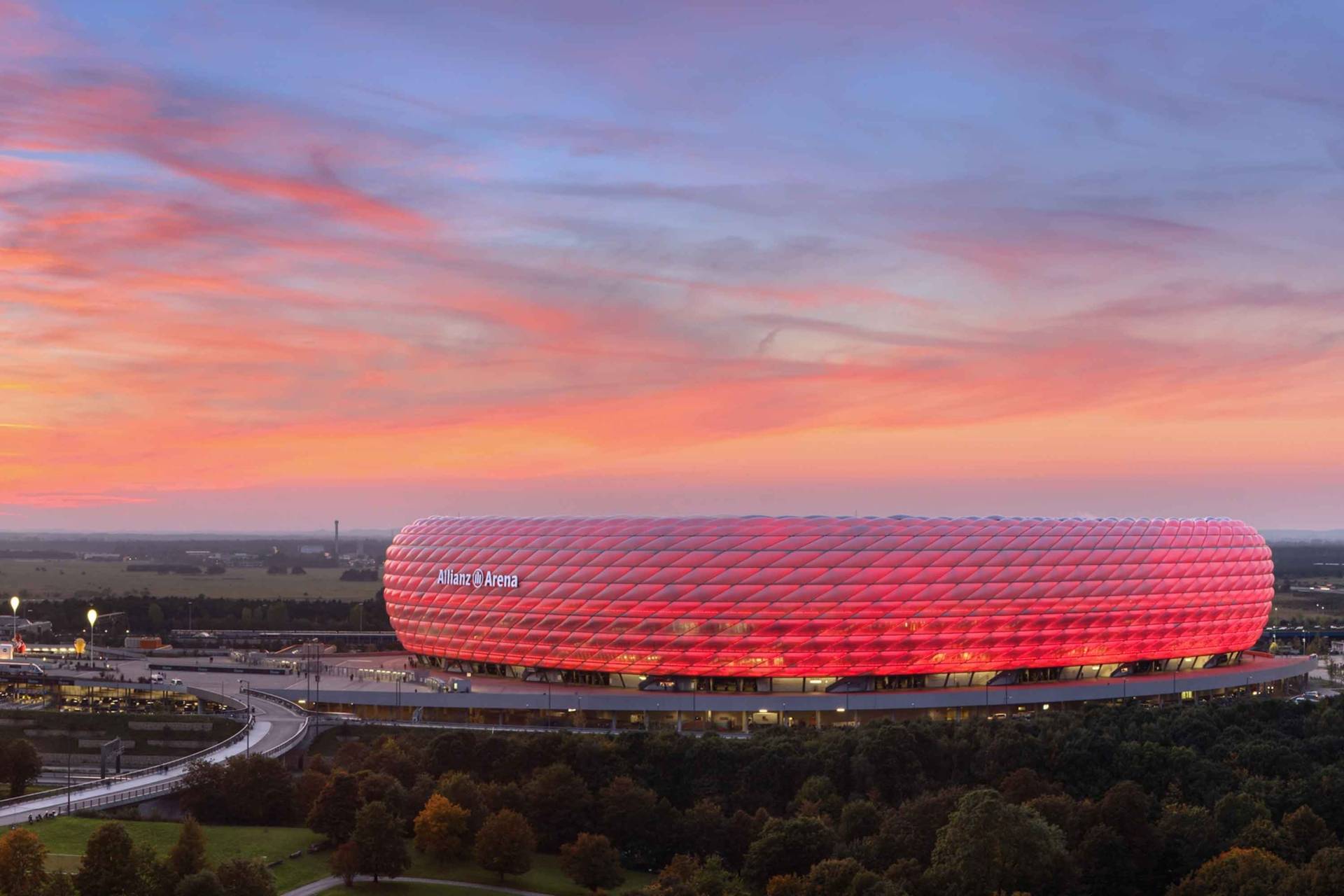
The Allianz Arena in München stands as a testament to modern architectural ingenuity and the passion for football. As the home ground of FC Bayern Munich, one of the most successful clubs in football history, the arena has become an iconic landmark in Germany and a must-visit for sports fans worldwide. With its unique illuminated façade and world-class facilities, it plays a significant role in the cultural and sporting landscape of Munich.
History and Features
Inaugurated in 2005, the Allianz Arena was designed by renowned architects Herzog & de Meuron. The stadium boasts a seating capacity of 75,000 and is notable for its inflatable ETFE plastic panels, which allow the exterior to change colours and create stunning visual displays. This feature was especially celebrated during events like the 2006 FIFA World Cup, which saw the stadium serve as a venue for several key matches.
The arena has hosted numerous international fixtures, including the UEFA Champions League finals, showcasing its versatility as a multi-use sporting venue. Beyond football, it serves as a concert venue and community hub, further cementing its status as a cultural icon.
Recent Developments
As of 2023, Allianz Arena continues to evolve, with ongoing discussions about sustainable practices and fan engagement. The club has announced plans to implement a more extensive recycling program within the stadium and upgrade the facilities to enhance the spectator experience, including advanced technology for better viewing and accessibility. These advancements aim to create a welcoming environment for both local and international visitors.
The Significance of Allianz Arena
Allianz Arena is not just a stadium; it is a symbol of Munich’s identity and pride. It draws millions of visitors each year, contributing to the local economy and the tourism sector. For avid football fans, attending a match at this iconic venue is a memorable experience steeped in history and passion for the sport.
Conclusion
As we look towards the future, Allianz Arena München remains a significant landmark in the sporting world. With its ongoing initiatives to promote sustainability and community involvement, it is set to continue being a symbol of excellence in sports architecture and fan engagement. This makes it not only a premier destination for football lovers but also an essential part of Munich’s urban landscape.